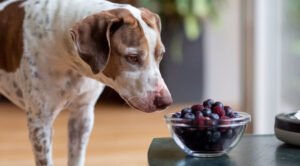

Can dogs eat pizza? While it might be tempting to share a slice with your furry friend, human pizza is not good for dogs. Many common ingredients, like garlic, onions, and high-fat cheese, can be harmful, or even toxic. In this guide, we’ll explore the risks, safe alternatives, and what to do if your dog eats pizza. 🍕🐶
Before introducing any new foods to your dog’s diet, always consult your vet. Individual dogs may have different intolerances, dietary needs, and health considerations. This article is not a substitute for professional veterinary advice.
TL:DR No, dogs should not eat pizza. It often contains toxic ingredients like garlic and onions, plus high fat, salt and sugar that can trigger digestive upset, pancreatitis, or weight gain over time.
Why Does My Dog Love Pizza So Much?
Who can resist the scrumptious aroma of a freshly baked pizza wafting from the oven? It’s enough to make anyone’s mouth water. Dogs have a remarkable sense of smell and a natural instinct to scavenge for food, plus they love eating what their owners are eating, to feel part of the clan. However, just because a dog loves it doesn’t mean he should eat it. So let’s break it down.
Can Dogs Eat Pizza Crust?
Ahh, the crust. The thin and crispy, the soft deep pan, the stuffed-full. Pizza crusts mostly consist of wheat flour, which is generally safe for dogs who are not sensitive to gluten. But the crust offers little nutritional value, and being mostly carbohydrates can cause weight gain. Seasoned crusts can be a bigger problem as they often contain flavourings with garlic, onion, herbs or cheese, which can irritate a dogs’ digestive system, even leading to vomiting and diarrhea.

Can Dogs Eat Pizza Sauce?
The base of pizza sauce is tomatoes, which are generally safe for most dogs in small amounts. The risk comes from what’s mixed in – garlic, onion, added sugar, and salt in most commercial sauces, all of which can cause digestive upset or worse.
Is Cheese Safe for Dogs?
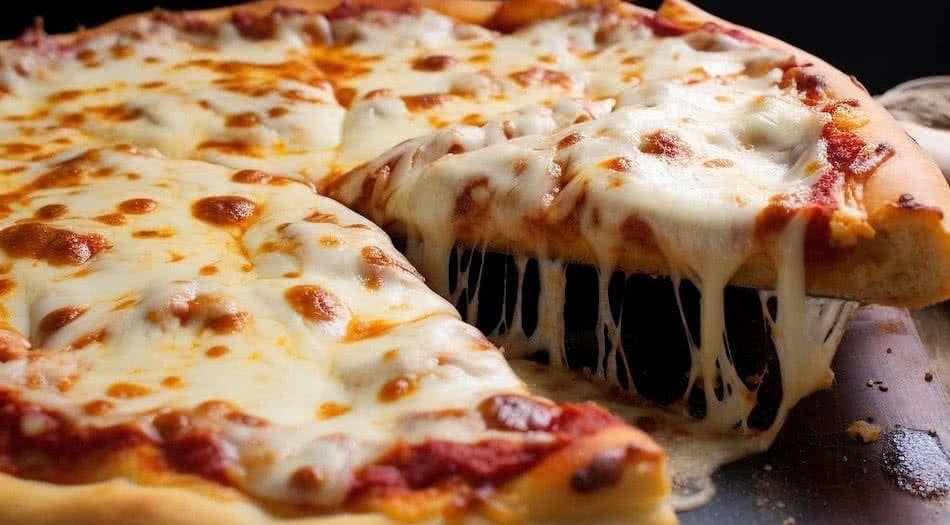
One of the main stars of pizza is of course the cheese, mozzarella if being authentic. Most dogs, like us, absolutely adore it but cheese is high in fat and calories, and many dogs are lactose intolerant to some degree, which can bring on gas, vomiting or diarrhoea. A small nibble is unlikely to cause serious harm in a healthy dog, but it shouldn’t be a regular treat.
Can Dogs Eat Pizza Toppings?
Plain vegetables like mushrooms and bell peppers pose little risk for healthy dogs, but other pizza topping favourites like processed meats and spicy toppings are a different story. Pepperoni, sausage, ham, bacon are all high in salt and fat, which can aggravate existing conditions and contribute to more serious conditions like pancreatitis.
Common Pizza Seasonings
Can Dogs Eat Garlic?
Garlic is not safe for dogs. Garlic contains thiosulfates, compounds that damage red blood cells and can cause haemolytic anaemia, with symptoms like weakness, vomiting and lethargy.
Can Dogs Eat Onions?
Onions, like garlic, are part of the allium family, and also contain thiosulfates, making them highly toxic to dogs. Whether raw, cooked, or powdered, onions can trigger symptoms like vomiting, diarrhoea, and weakness.
Can Dogs Eat Herbs and Spices?
It depends on the herb. Basil and parsley are generally fine in small amounts, but nutmeg, chilli, and seasoning blends containing garlic or onion powder can cause digestive upset or more serious health issues.
Pizza Ingredients – the good, the bad, the ugly
The Good – plain tomato sauce in small amounts with no onions, garlic, or seasonings; dog-safe veggies like bell peppers, mushrooms, spinach are safe in moderation; lean meats such as chicken or turkey are ok, but ensure bones and skin are removed.
The Bad – cheese can be heavy for dogs; pepperoni, sausage, bacon and other processed meats are high in fat, salt and additives and may also cause digestive problems.
The Ugly – garlic and onion (toxic, avoid entirely); spicy toppings like jalapeños or hot sauce (dogs have sensitive stomachs).
| Crust | Not recommended – high in carbs and lacks nutritional value |
| Sauce | No – often hides garlic and onion |
| Cheese | Small amounts only, if no lactose sensitivity |
| Toppings | Beware – salt, sugar, garlic, onion commonly hidden here |
Pizza and Canine Allergies
Dairy, wheat, and even mild seasonings like oregano can trigger allergic reactions in sensitive dogs, ranging from itching and hives to gastrointestinal discomfort or, rarely, swelling and breathing difficulty.
Health Risks of Feeding Dogs Pizza
- Digestive upset: stomach pain, vomiting, diarrhoea from rich, greasy ingredients
- Weight gain and obesity: high calories, fat, salt and sugar contribute to long-term weight problems
- Pancreatitis: fatty toppings can inflame the pancreas, sometimes requiring emergency vet care
- Nutritional imbalance: pizza offers no balanced nutrition for a dog’s diet
Dog-Safe Alternatives to Pizza
Choose pawsitive ingredients for a good boy (or girl) instead:
- Homemade “dog pizza” with ripe tomatoes, lean chicken or turkey, dog-safe veggies (carrots, broccoli, bell peppers), and a light sprinkle of low-fat cheese
- Plain, unsalted popcorn
- Fruit like apple, banana or watermelon in bite-sized pieces
- Commercial pizza-flavoured dog treats
Remember: treats should make up no more than 10% of a dog’s daily calories
My Dog Ate Pizza! Here’s What to Do Next
It’s unlikely that pizza will kill a dog, even if they managed to nab a load of it while your back was turned, if the dog is healthy and has no food sensitivities or other conditions. Of course it may also depend on the things the pizza had on it, such as hot chilli peppers, which may seriously affect the dog. And the size of the dog and how much he manage to wolf down.
If you are at all unsure, contact your vet. It’s always best to err on the side of caution and take medical advice from professionals, who also know your dog best.
Definitely keep an eye on him or her and monitor for discomfort and distress, unusual behavior, symptoms of food poisoning or allergic reaction Offer them water to help prevent dehydration and to aid digestion. They may well feel some discomfort.
If your dog doesn’t seem in distress at all still keep an eye on him, and offer water.
It will hopefully all pass through without any worries.
FAQs
Is it safe for dogs to eat pizza?
No, pizza is not safe for dogs to eat. Garlic and onion are toxic,, cheese and fatty toppings cause digestive upset, and regular consumption raises pancreatitis and obesity risk.
Can I give my dog pizza occasionally?
Better to make a dog-safe version without onion, garlic, excess salt or greasy cheese, cooled to room temperature, as an occasional treat.
Can dogs eat margherita pizza?
It’s marginally better than meat-loaded varieties but commercial versions still often contain garlic and seasonings, so it’s best avoided.
Can puppies eat pizza?
No – puppies should not eat pizza. Puppies have more sensitive digestion and should stick to age-appropriate puppy food.
Can dogs eat pizza rolls?
No – pizza rolls carry the same seasonings, salt, sugar and greasy filling as regular pizza, which are not good for dogs. So they are best avoided.
Final Thoughts on Can Dogs Eat Pizza
While a single small bite of pizza is unlikely to cause serious harm to a healthy adult dog, pizza is not a safe or appropriate food for dogs. The risk comes a range of ingredients commonly found in pizza. Garlic, onions, cheese, processed meats, some seasonings, high fat content, salt, sugar and fat are all problematic for dogs. When in doubt, contact your vet, and stick to dog-safe alternatives to avaoid unnecessary risks.